
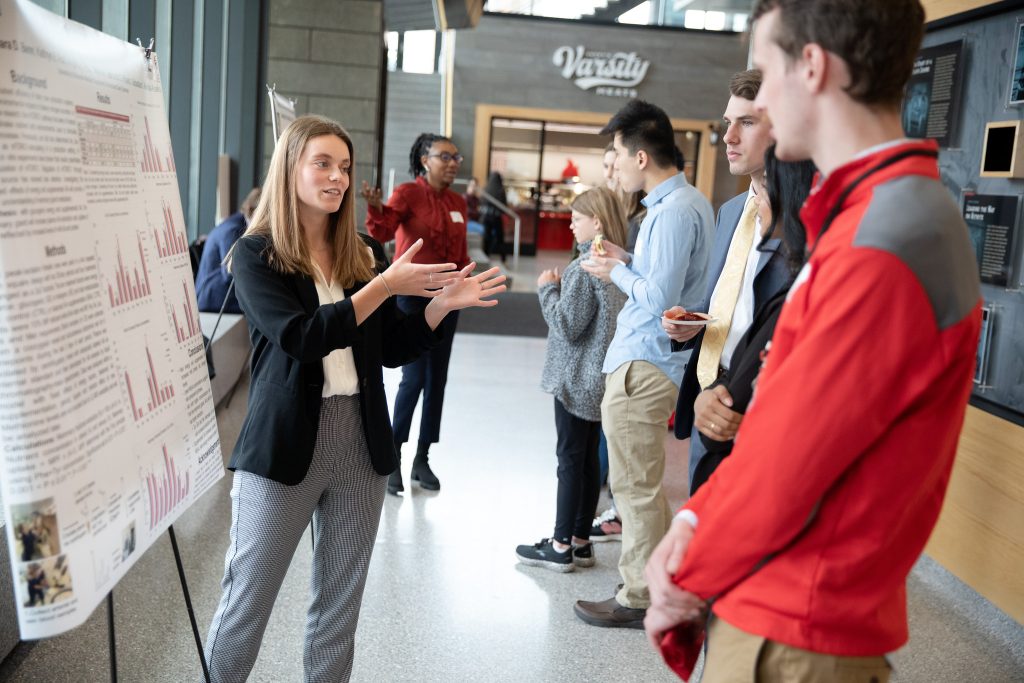
Nutritional sciences is the study of how diet impacts health and disease on a biochemical and physiological basis. Human growth, metabolism, and health is directly influenced by what we eat. Nutritional sciences helps us understand the ethics of public health, global health, community nutrition, and the cultural aspects of food.

What will I learn in nutritional sciences?
As a nutritional sciences student, you’ll learn how nutrients in food affect the body through biological concepts such as biochemistry, genetics, microbiology, kinesiology, community nutrition, and epidemiology. You’ll be able to explore different aspects of nutritional sciences through courses on obesity, metabolism, kinesiology, sports nutrition, and more.
What can I do with a nutritional sciences major?
Nutritional sciences graduates are prepared for health and research careers in a variety of settings, including healthcare, education, corporate wellness, sports nutrition, government agencies, food companies, or pharmaceuticals.
Additionally, the nutritional sciences graduates are equipped to pursue graduate programs in the health field. The curriculum covers many of the requirements for medical school, physicians assistant programs, dentistry school, a degree in physical therapy, and more.
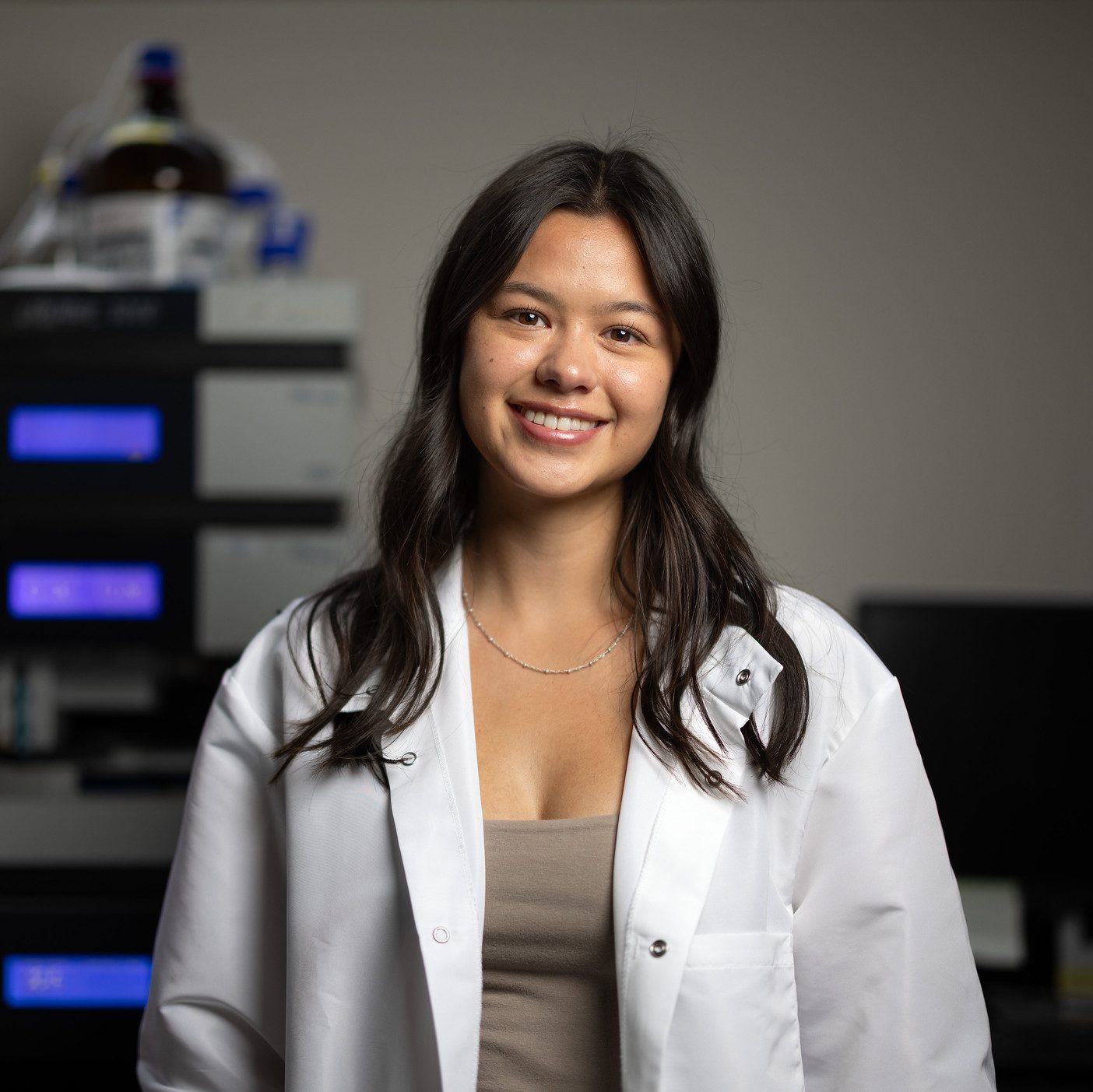
Kate Sun, a nutritional sciences student, is passionate about how nutrition can be incorporated into healthcare. As part of food and nutritional sciences professor Brad Bolling’s lab, Kate explores how bioactive compounds in food — like polyphenols in cranberries — can be used to improve human health. Learn more about Kate and her research.
What can I do on campus?

Get involved in the lab
Over 90% of nutritional sciences students are involved in research! Students can work alongside internationally recognized researchers who study metabolism, genetics, genomics, physiology, and nutritional management of diseases such as cystic fibrosis and diabetes and develop hands-on research skills.
Join a student organization
Make friends, develop leadership skills, compete in competitions, and learn new things in student organizations and extracurriculars! The Department of Food and Nutritional Sciences sponsors two student organizations and three competitive teams.
Advising
FAQ
Your courses will teach you how nutrients in food affect the body through biological concepts such as biochemistry, genetics, microbiology, kinesiology, community nutrition, and epidemiology. The Guide has additional information on specific course and elective options.
The nutritional sciences major prepares students for careers and health and research in addition to building a foundation for graduate school or professional study. Coursework for this major does not count towards obtaining the registered dietician credential. Students interested in becoming a dietician should pursue a degree in nutritional sciences, nutrition and dietetics.
Yes! The department awards around $50,000 through numerous scholarships every academic year. The CALS Scholarships and Awards page has additional information on how to apply for scholarships.