
The Department of Food and Nutritional Sciences works to address challenges at the intersection of food, nutrition, sustainability, and health. Our graduates are prepared for a variety of careers than span across these fields in addition to the biological sciences and research.
Explore some of the careers food and nutritional sciences alumni have pursued below.

Careers in Food
- Food Technologist
- Food Safety Director
- Beverage Technician
- Brewer
- Supply Chain Manager
- Food Quality Supervisor
- Product Development Scientist
- Food Scientist
- PepsiCo
- General Mills
- Johnsonville
- The Kraft Heinz Company
- ConAgra
- Agropur
- Kerry
- Wild Type Foods

Lexi Florac
Product Development Scientist
B.S. Food Science
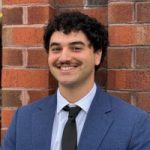
Emon Khadem
Director of R&D and Commercialization
B.S. Food Science
Careers in Health and Nutrition
- Registered Clinical Dietitian
- Sports Nutritionist
- Physician
- Nurse
- Physical Therapist
- Public Health Dietitian
- Chiropractor
- Nutrition Educator
- UW Health
- US Department of Veterans Affairs
- SSM Health
- General Mills
- American Red Cross
- Sodexo
- Abbott
- Medical College of Wisconsin

Kelly Siverhus, RD, PA-C
Physician Assistant and Registered Dietitian
B.S. in Nutrition and Dietetics
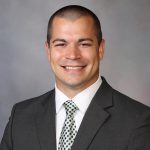
Matthew Ewy, MD, RD, CNSC
Internal Medicine Resident
B.S. in Nutrition and Dietetics
Careers in Biological Sciences and Research
- Clinical Research Coordinator
- Product Manager
- Analytical Chemist
- Product Development Specialist
- Pharmaceutical Scientist
- Research Assistant
- Epic
- PepsiCo
- Exact Sciences
- General Mills
- Covance
- Abbott
- Wild Type Foods
- Cargill
Resources
The Center for Pre-Health Advising is a centralized resource for all UW–Madison students and alumni who are interested in pursuing careers in healthcare. Their primary advising expertise is supporting students to explore, prepare for, and apply to graduate level professional programs.
CALS Career Services is a resource for all CALS students. They offer one-on-one career advising where students can discuss career goals, receive feedback on resumes, cover letters, and personal statements, practice interviews, and more. CALS Career Services hosts various career development events every semester.
Research is a great way to build professional and laboratory skills, gain real-world experience, and explore different career paths. The Department of Food and Nutritional Sciences offers independent study credit for research with department faculty.